Kids Orthodontist: What Is Phase One?
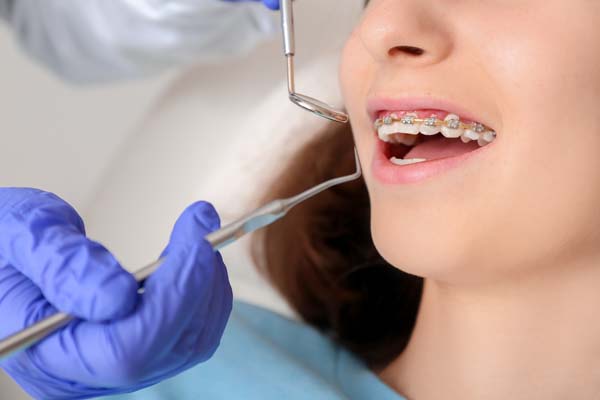
Early interceptive therapy, also known as phase 1 orthodontics, is performed by a kids orthodontics and deals with the application of growth appliances, expanders, or partial braces, pending the complete eruption of the patient’s adult teeth. Phase one treatment is usually recommended for children when they are between 7 and 11 years old. The treatment duration ranges from 11 to 14 months.
The purpose of phase one orthodontics
Many factors might drive a kids orthodontist’s decision to recommend phase one orthodontics. There may be a need to expand and correct the child’s jaw to accommodate the adequate eruption of permanent teeth and improve the alignment of the lower and upper jaws. Early interceptive treatment during childhood might help patients avoid major oral health issues in adulthood, such as tooth trauma or jaw surgery.
Another purpose may also be to prevent crossbite, overcrowding, severe overbite and underbite, the premature loss of baby teeth, and detrimental oral habits in young children. The treatment is essentially done to lay a stable and responsive foundation for a child’s developing permanent teeth, which is less challenging when the child is younger.
Baby tooth difficulties may typically lead to issues in all of these areas, and without early care, these issues will likely require more extensive and lengthy therapies to resolve. The goal of phase one orthodontics is to mitigate and rectify present orthodontic issues in order to prevent and reduce future issues.
Candidates for phase one orthodontics
The dentist may recommend the treatment if the child has protruding teeth; crooked, crowded, or spaced teeth; a misaligned bite; speech issues; breathing challenges; disproportionate jaw; eruption issues caused by baby teeth; and habits that affect oral development, such as thumb sucking.
Children who do not have any of these symptoms can still undergo phase one orthodontics. A child’s mouth is always changing and developing, so just because they do not require orthodontic treatment today does not mean that they will not in the future. Pediatric dentists use early orthodontic appointments to determine when and whether a child will require orthodontic treatment. The kids orthodontist will be able to obtain the best outcomes with the least amount of work by precisely scheduling your child’s treatment.
Additional points to note
Since children's facial bones are not fully grown yet, orthodontic therapy is considerably simpler and quicker. With phase one orthodontics, the dentist can prevent future issues from arising and help give the child a healthy smile.
A child should continually be assessed and treated by a qualified orthodontist. They will have a better grasp of the child’s situation and can tailor their therapy to their specific needs for optimal results.
In conclusion
If your child is around the age of 7 and has crowding or spacing issues, you can start by having them undergo an orthodontic examination to get the care that they require. One simple visit might make a significant impact on their dentition. Please contact the dental office immediately to book a consultation with the kids orthodontist.
Request an appointment here: https://valleyranchorthodontics.com or call Valley Ranch Orthodontics at (972) 200-1016 for an appointment in our Irving office.
Check out what others are saying about our dental services on Yelp: Orthodontics for Children in Irving, TX.
Related Posts
It may take a few days to become accustomed to Invisalign®, as with any orthodontic device. Continue reading to find out more about how Invisalign may affect speech. Invisalign trays fully cover the teeth, giving them a somewhat thicker appearance and feel. Some individuals may notice a little, transient alteration in their speech for the…
Patients undergoing Invisalign® treatment often want to know how long they will need to wear their aligners. Read on to learn how long the aligners need to be worn. Several variables determine the length of Invisalign treatment, and one of the most important is how long you wear your aligners each day.Invisalign treatment can take…
Are you considering Invisalign® treatment? Read on to learn about some of the benefits of opting for this teeth-straightening treatment. According to the American Dental Association, teeth straightening is more than just for cosmetic purposes; it may help your overall oral health. While conventional metal braces are still widely used, modern technology has enabled the…
Any patient who goes through a teeth straightening treatment, such as braces or clear aligners, must wear retainers to keep their smile straight and looking great. It is important to understand the importance of the retainer and follow the instructions provided by the orthodontist or cosmetic dentist. It is essential for patients who have recently completed a…