A Simple Guide To Surgical Orthodontics
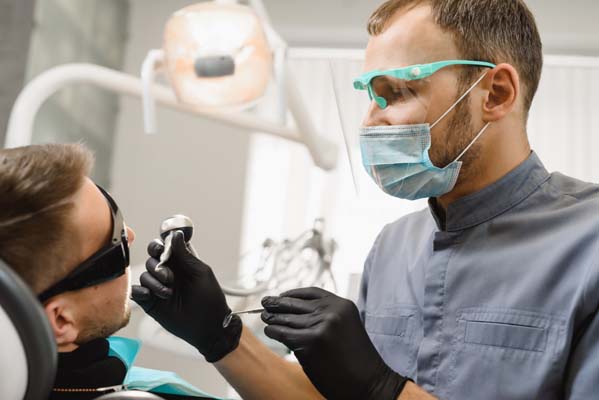
Surgical orthodontics helps correct significant bite and jaw alignment concerns that braces or clear aligners alone cannot fully address. It combines orthodontic treatment with jaw surgery to improve function, comfort, and facial balance when the jaws do not fit together properly. Many patients pursue this option to improve chewing, speech clarity, and tooth contact. A clear plan and coordinated care team make the process easier to understand and manage.
Common signs that a patient should ask about surgical orthodontics
Many patients find themselves searching for more effective solutions, like surgical orthodontics, after years of bite frustration or relapse after earlier orthodontic treatment. For example, an open bite can make it hard to bite into foods, while a severe underbite or overbite can place excess stress on front teeth. Crossbite, on the other hand, may cause uneven chewing patterns and contribute to asymmetry over time. In these situations, straight teeth alone do not guarantee a balanced bite.
Other signs that may warrant discussion of surgical orthodontics include jaw clicking with a significant bite mismatch, frequent biting of the cheeks, or speech issues tied to jaw position. Some patients also report chronic facial tension that worsens during chewing. An orthodontist can help separate what relates to alignment from what relates to muscle habits, airway issues, or conditions affecting the temporomandibular joint (TMJ). Of course, a full exam can help patients develop a clear treatment strategy.
When orthodontists consider a surgical approach
A consultation with an orthodontist often includes digital imaging and a detailed bite analysis. They will evaluate facial proportions, dental crowding, airway considerations, and the function of the jaw joints. For example, some bite problems come from jaw position rather than tooth position. When the upper jaw sits too far forward or back, or when the lower jaw grows unevenly, teeth may not meet correctly, even if they look straight. That mismatch can contribute to chronic wear, jaw strain, traumatic bite-induced gum recession, and difficulty biting through foods. Therefore, the primary aim is to confirm that surgical orthodontics will improve both bite mechanics and long-term stability. This planning stage also helps clarify whether symptoms are related to the bite or to other factors that require separate care.
The typical treatment timeline with surgical orthodontics
Most plans include some sort of non-invasive orthodontic treatment before or after surgery. Pre-surgical orthodontic treatment aligns teeth within each jaw so they fit together correctly once the jaws move into their planned position. This stage can feel counterintuitive because the bite may look temporarily worse, but it prepares for a more accurate surgical correction. After surgery, orthodontics fine-tunes the bite and closes small gaps for a stable finish.
While timelines vary, many patients appreciate knowing the general phases of care. These include:
- Phase one. Orthodontic planning and pre-surgical alignment.
- Phase two. Jaw surgery performed by an oral and maxillofacial surgeon.
- Phase three. Post-surgical healing with guided return to normal function.
- Phase four. Final orthodontic detailing and retention.
No matter the timeline, a coordinated approach between the orthodontist and surgeon helps reduce surprises and keeps goals aligned.
Schedule a consultation
Surgical orthodontics can feel intimidating at first, but it often provides a predictable path when jaw position prevents a stable bite. The best starting point is a consultation that reviews bite mechanics, imaging, and long-term goals, then outlines a step-by-step plan. To schedule your consultation, contact Valley Ranch Orthodontics today.
Request an appointment here: https://valleyranchorthodontics.com or call Valley Ranch Orthodontics at (972) 830-9855 for an appointment in our Irving office.
Check out what others are saying about our services on Yelp: Read our Yelp reviews.
Related Posts
By the Valley Ranch Orthodontics TeamNail biting and braces are a frustrating combination. The habit often runs on autopilot during homework, long drives on Highway 114, or a tense moment at work, and most people don't notice it until a bracket pops loose. Pen chewing, ice crunching, and gnawing on pencils fall into the same…
By the Valley Ranch Orthodontics TeamMore adults are straightening their teeth than ever, and many of them have the same worry at the first consultation. If you've been told your gums bleed, or you've had a deep cleaning in the past, you may wonder whether gum disease and braces for adults can mix at all.…
By the Valley Ranch Orthodontics TeamThreading floss under an archwire every night is one of the least loved parts of wearing braces. So it makes sense that so many Irving patients ask the same question at their adjustment visits: in the water flosser vs floss for braces debate, which one actually wins? The honest answer…
By Valley Ranch Orthodontics Team · Reviewed by Dr. Neelanjani "Neelu" PrasadPalate expanders create pressure by design, so some discomfort in the first days is expected. What Irving parents actually need to know is the difference between normal adjustment soreness and a sign that something needs attention sooner than the next scheduled visit.The device works…

